

Residential Treatment Center in San Marcos, TX
Residential addiction treatment offers 24/7 support and structure for individuals who need a higher level of care.
We understand recovery, we can help
Medication-Assisted
Treatment (MAT)
Online Access to Suboxone
Doctor
24/7 Chat Based Care
Coordination

Our Others services
Contact Texas Helps Today to Verify Your Insurance
By contacting us, you agree to our Terms of service and Privacy Policy.
We do not accept Medicare or Medicaid.
Residential addiction treatment at Texas Helps provides the structure, clinical oversight, and separation from daily triggers that many people need to stabilize and begin long-term recovery. Our residential treatment center in San Marcos, TX is designed for individuals who require more support than outpatient treatment can provide.
If relapse has been recurring, or substance use is affecting your mental health, relationships, or daily functioning, residential treatment may be an appropriate next step.
What Is Residential Addiction Treatment?
Residential addiction treatment is a structured, live-in level of care in which individuals stay on-site while receiving therapy, clinical oversight, and recovery support. This setting allows individuals to step away from daily stressors and focus fully on treatment in a substance-free environment.
Residential treatment is sometimes referred to as inpatient or live-in rehab, as these terms are often used interchangeably in addiction care. However, programs may differ in focus depending on clinical needs and treatment goals.
Unlike outpatient programs, residential treatment provides consistent structure, supervision, and support throughout the day—reducing exposure to triggers and helping individuals build stability before returning to daily life.
Residential treatment in Texas may be clinically recommended for individuals who:
- Have experienced relapse after outpatient care
- Have co-occurring mental health conditions
- Need consistent structure and accountability
- Require a safe, substance-free environment
This level of care focuses on addressing underlying behavioral, emotional, and psychological factors that contribute to addiction—not only substance use itself.
Take the First Step Toward
Recovery Today
- 24/7 Admissions Support
- 100% Confidential
Need Help? We have the best professionals available to guide you!
Residential Treatment vs. Inpatient Rehab: Understanding the Difference
The terms residential treatment and inpatient rehab are often used interchangeably, but they can reflect different treatment priorities depending on the program.
Residential treatment programs often emphasize:
- Therapeutic depth
- Emotional and behavioral change
- Development of long-term recovery skills
Inpatient rehab programs may place greater emphasis on:
- Short-term medical stabilization
- Acute withdrawal management
At Texas Helps, our residential treatment program integrates therapeutic intensity with appropriate clinical oversight—supporting both stabilization and long-term recovery planning.
Our Accreditations



How to Start Residential Treatment in Texas
Many individuals begin treatment with medical detox, particularly when substances such as alcohol, opioids, or benzodiazepines are involved.
Step 1: Medical Detox
Medical detox allows the body to safely withdraw from substances under professional supervision. Detox alone is not treatment, but it prepares individuals physically and mentally for residential care.
Step 2: Residential Treatment
After detox, clients transition into residential treatment, where therapy programs, skill-building, and recovery planning begin.
An individualized treatment plan may include:
- Individual Therapy
One-on-one sessions focused on identifying triggers, trauma, and behavioral patterns.
- Group Counseling
Structured group therapy that provides support, shared experience, and accountability through daily recovery activities.
- Medication Management
Texas Helps offers MAT Program, when clinically appropriate, medications may be used to support cravings or co-occurring mental health conditions.
- Relapse Prevention Planning
Relapse Prevention Plan is practical strategies for managing stress, cravings, and high-risk situations after treatment.
- Family Therapy
Family Therapy Program Texas Helps Support for improving communication and rebuilding trust with loved ones when appropriate.
Treatment plans are adjusted based on clinical needs and progress—not fixed schedules.
Therapies Used at Our Residential Treatment Program in Texas
Texas Helps at San Marcos uses evidence-based therapies tailored to each individual.
- Cognitive-Behavioral Therapy (CBT)
Helps identify and modify thought patterns that contribute to substance use.
- Dialectical Behavior Therapy (DBT)
Focuses on emotional regulation, distress tolerance, mindfulness, and interpersonal effectiveness.
- Motivational Interviewing (MI)
Supports internal motivation for change without confrontation or pressure.
- Person-Centered Therapy
Encourages self-exploration within a supportive, nonjudgmental therapeutic relationship.
Therapies are selected and adjusted through ongoing clinical assessment.
How Long Is Residential Treatment in Texas?
Residential treatment length varies because recovery isn’t one-size-fits-all. Most residential rehab programs in Texas fall into one of the following ranges:
- Around 30 days – Often used for stabilization and early recovery
- Around 60 days – Allows more time to address underlying patterns and build coping skills
- Around 90 days or longer – Frequently recommended for individuals with long-term substance use, multiple relapses, or co-occurring mental health conditions
The right length of stay is determined through a clinical assessment, not guesswork. Factors like substance use history, mental health needs, treatment response, and long-term recovery goals all play a role.
Choosing a longer stay isn’t about failure—it’s often about giving recovery the time it actually needs to work.
👉 Talk With A Clinician About Residential Treatment Options
Confidential Addiction and Mental Health Care for Veterans
- 24/7 Admissions Support
- 100% Confidential
Benefits of Residential Addiction Treatment
Residential treatment offers advantages that outpatient care may not provide, including:
- 24/7 clinical and emotional support
- Reduced exposure to triggers
- Structured daily routines
- Support and accountability through group therapy and shared recovery activities
- Opportunities for deeper therapeutic work
- Improved emotional stability and clarity
Residential treatment provides time and structure to develop coping skills before returning to daily life.
Why Choose Texas Helps at San Marcos?
Our residential treatment center is located in San Marcos, Texas, serving individuals throughout the state, including Austin, San Antonio, and surrounding communities.
At Texas Helps, we emphasize:
- Evidence-based treatment approaches
- Individualized care planning
- Support for co-occurring mental health conditions
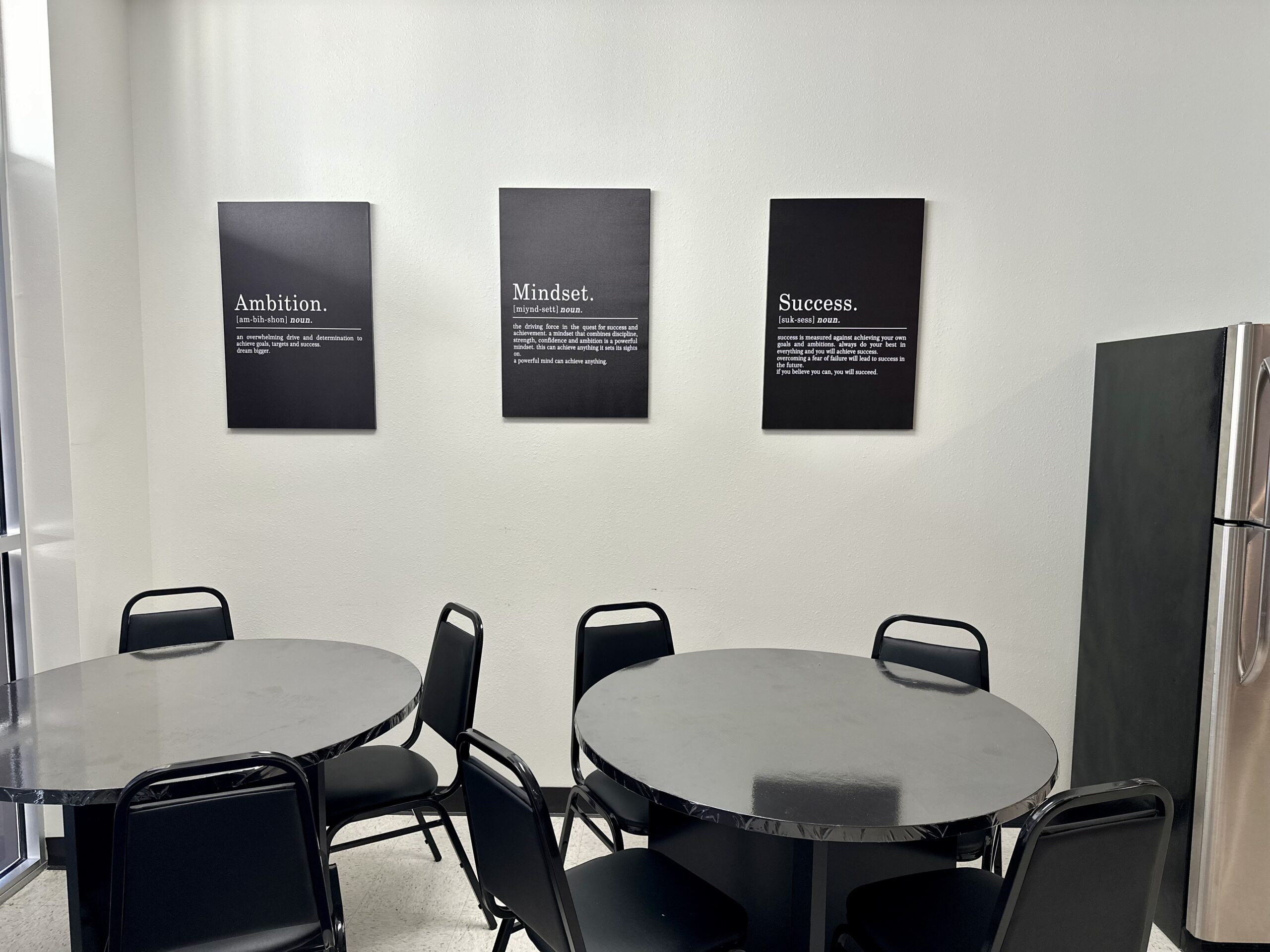
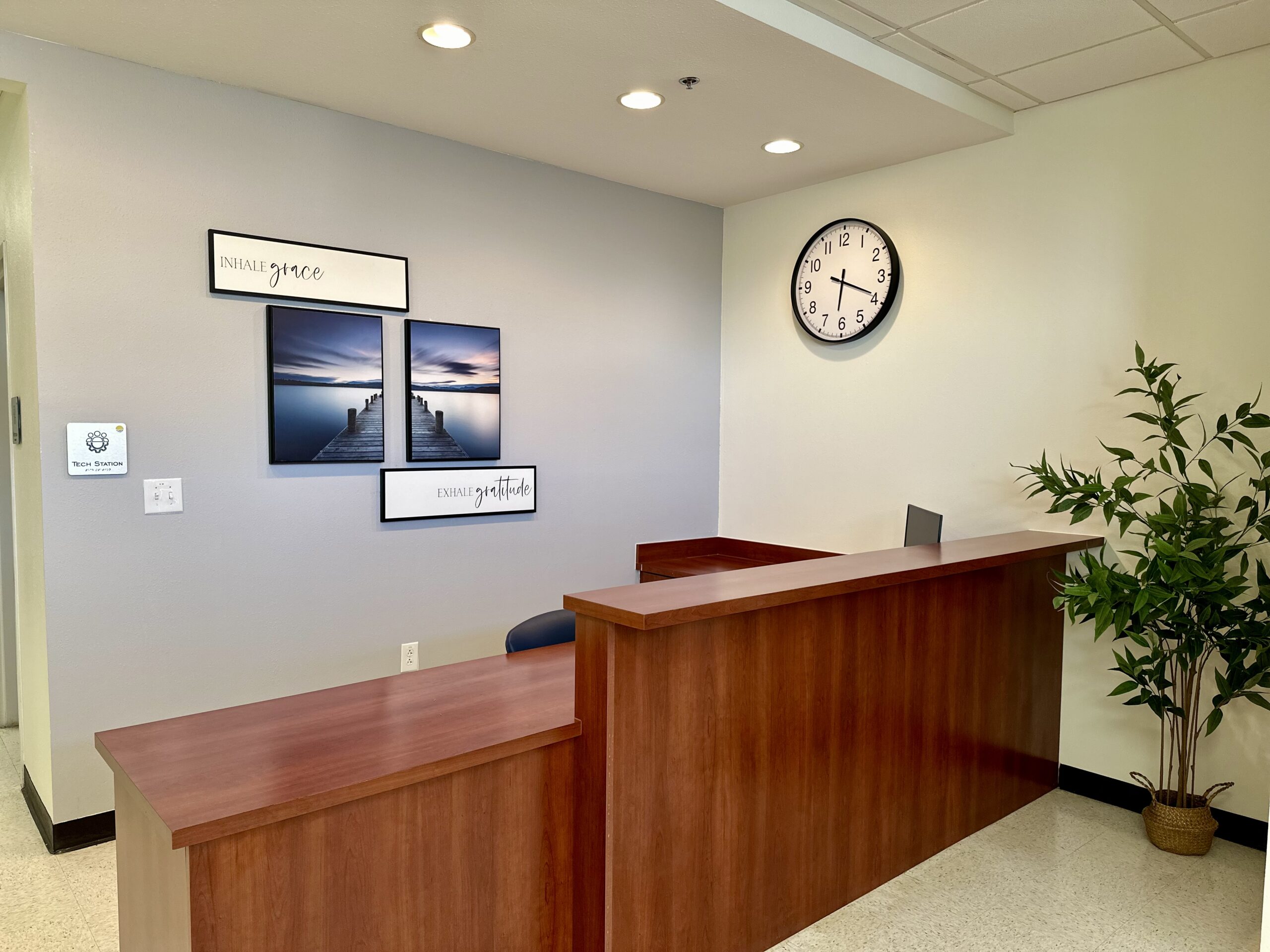
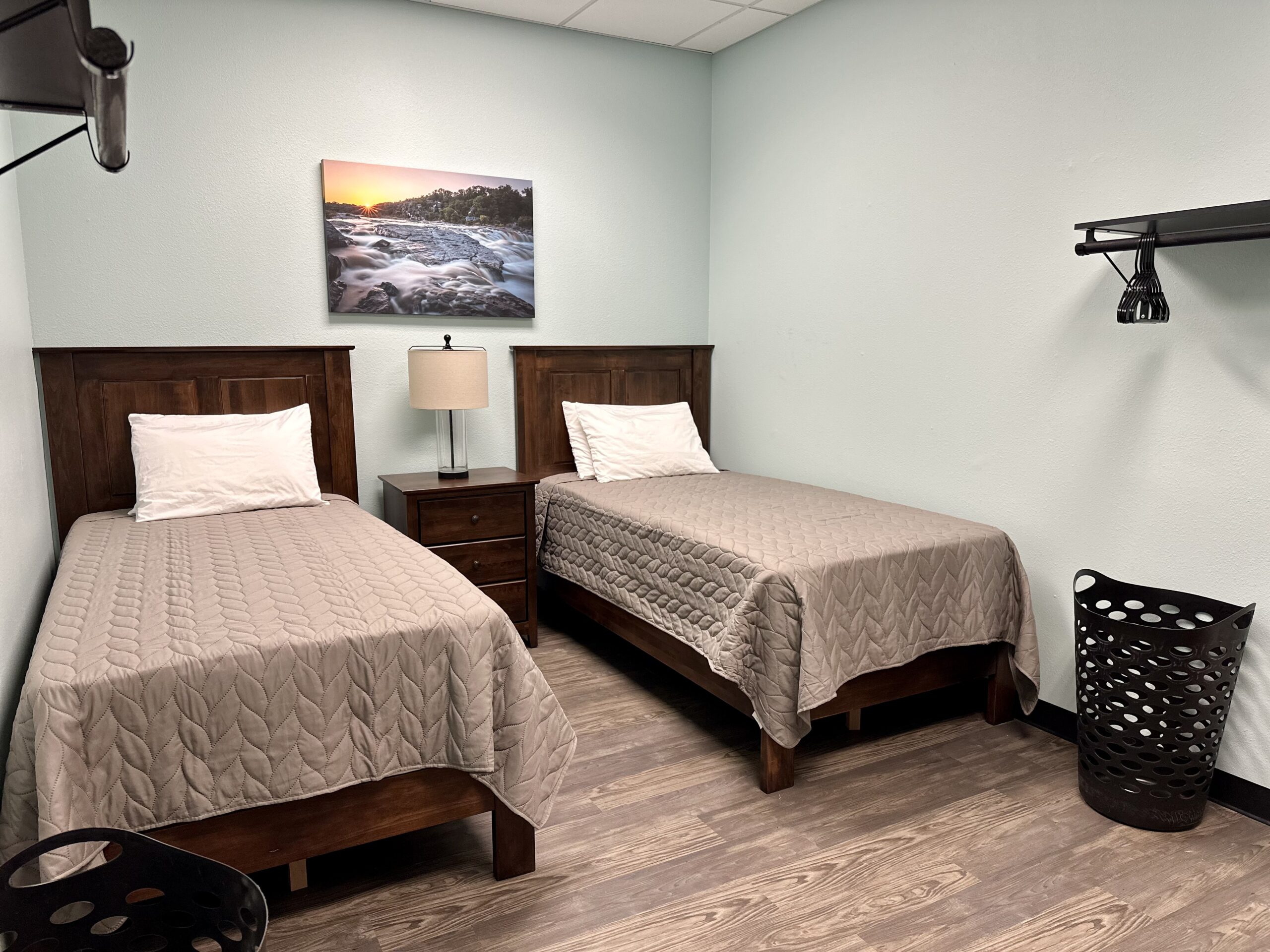
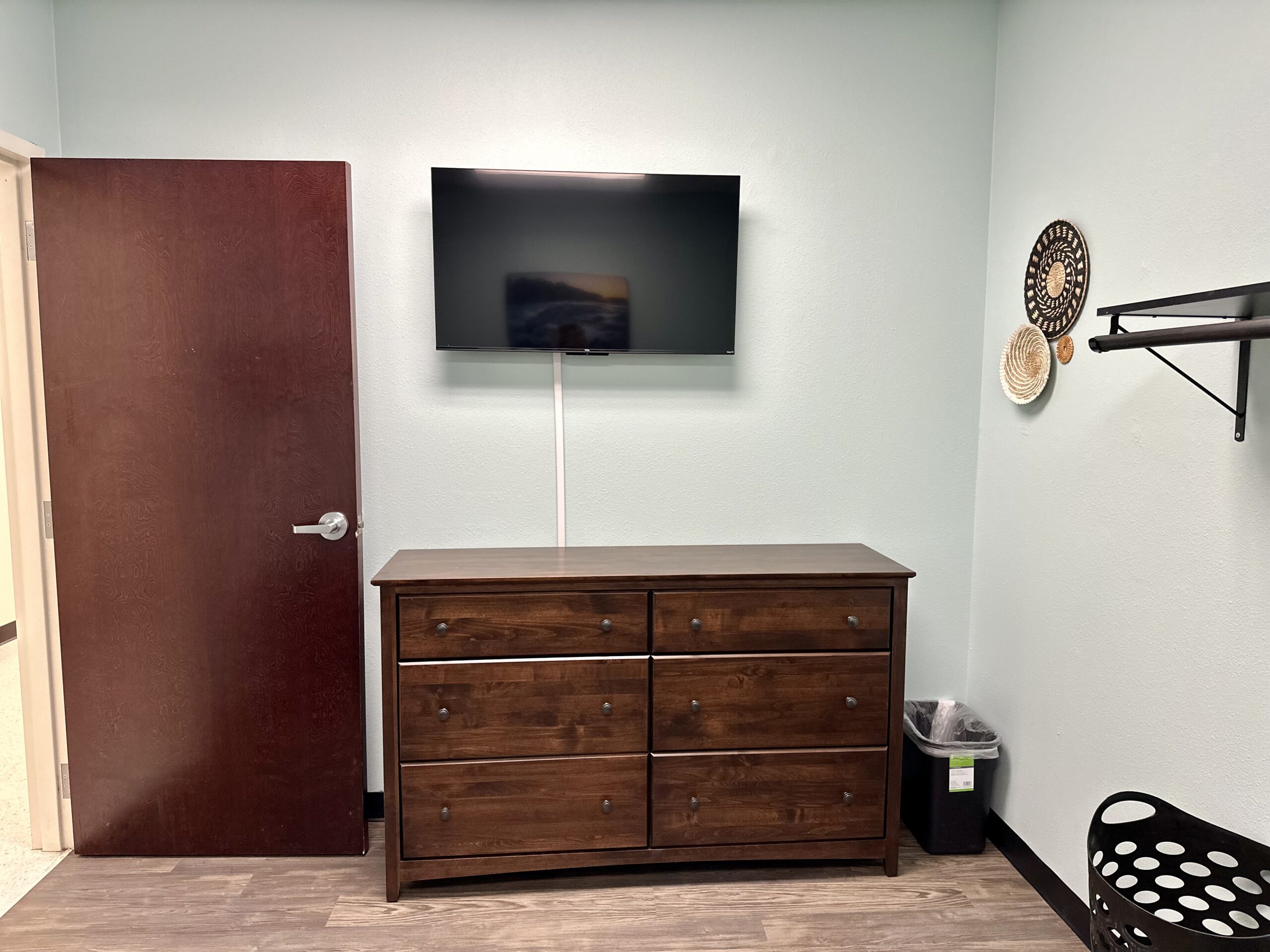
- A calm, structured recovery environment
You are treated as an individual—not a diagnosis.
Is Residential Treatment Right for You?
Residential addiction treatment may be appropriate if:
- Outpatient treatment has not been effective
- Substance use is disrupting daily life
- Mental health symptoms are worsening
- Distance from the current environment is needed
If you are unsure, our admissions team can help you explore options and determine an appropriate level of care.
Recovery often begins with asking for support. We are here when you are ready.
- 24/7 Admissions Support
- 100% Confidential
Frequently Asked Questions About Residential Treatment in Texas
What Is Residential Addiction Treatment in Texas?
Residential addiction treatment in Texas is a live-in level of care where individuals receive 24/7 support, therapy, and structured treatment in a substance-free environment.
Is Residential Treatment the Same as Inpatient Rehab?
The terms are often used interchangeably, but they may reflect different treatment goals. Residential treatment typically emphasizes therapeutic depth and long-term behavioral change, while inpatient rehab may focus more on short-term stabilization.
Who Is Residential Treatment Best For?
Residential treatment may be appropriate for individuals who have experienced relapse, struggle with co-occurring mental health conditions, or need a structured environment to support recovery.
How Long Is Residential Treatment in Texas?
Program lengths vary based on individual needs. Residential treatment commonly ranges from approximately 30 to 90 days or longer, depending on clinical recommendations and progress.
Do I Need to Complete Detox Before Residential Treatment?
In many cases, yes. Medical detox helps individuals safely withdraw from substances before beginning residential treatment and can often be coordinated through admissions.
Does Residential Treatment Address Mental Health Conditions?
Yes. Residential treatment at Texas Helps supports individuals with co-occurring mental health conditions such as anxiety, depression, PTSD, or mood disorders alongside substance use treatment.
What Therapies Are Used in Residential Treatment?
Programs commonly use evidence-based therapies such as CBT, DBT, Motivational Interviewing, and person-centered approaches, based on individual clinical needs.
Can I Have Contact With Family During Residential Treatment?
Family involvement may be included through scheduled communication and family therapy sessions when clinically appropriate.
Is Residential Treatment Covered by Insurance in Texas?
Many insurance plans provide coverage depending on benefits and medical necessity. Insurance verification is typically completed during the admissions process.
What Happens After Residential Treatment Ends?
Before discharge, clients work with their care team to develop an aftercare plan, which may include outpatient treatment, continued therapy, sober living, or support groups.
How Do I Get Started With Residential Treatment at Texas Helps?
- 24/7 Admissions Support
- 100% Confidential
Real Experiences at Texas Helps


Recovery From Addiction Is Within Your Grasp
Email Support
Contact us via email for any inquiries or support.
Office Address
Visit our office for in-person support and services.
1106 N Interstate I-35 Frontage Rd. San Marcos, TX 78666
Phone
Contact us via email for any inquiries or support.
Live Chat
Click here to start a live chat with our support team for instant help.
Start Live Chat
Fill Out The Confidential Information Below.
By contacting us, you agree to our Terms of service and Privacy Policy.
We do not accept Medicare or Medicaid.