

Group Therapy Program In San Marcos, Texas
Feel Less Alone, Learn Real Skills, And Build Momentum With Support That Understands Recovery.
We understand recovery, we can help
Medication-Assisted
Treatment (MAT)
Online Access to Suboxone
Doctor
24/7 Chat Based Care
Coordination

Our Others services






Contact Texas Helps Today to Verify Your Insurance
By contacting us, you agree to our Terms of service and Privacy Policy.
We do not accept Medicare or Medicaid.
Group therapy can be a turning point when addiction or mental health struggles feel isolating and heavy.
You can join a structured, clinician-led space where healing is built through honesty, boundaries, and practical coping tools.
You can call Texas Helps today to verify insurance and learn how group therapy fits into your care plan in San Marcos.
Call Texas Helps Today And Speak With An Admissions Specialist In San Marcos.
- 24/7 Admissions Support
- 100% Confidential
Group Therapy Can Make Recovery Feel Possible Again
Group therapy helps people see they are not the only ones struggling, even when shame says otherwise.
Group sessions create a space where people learn from each other’s breakthroughs, setbacks, and coping strategies.
SAMHSA’s clinical guidance on group therapy in substance use treatment highlights structured approaches, placement, group development, and confidentiality considerations.
What Is Group Therapy In Addiction Treatment
Group therapy is a clinician-led counseling format where patients work on recovery skills, emotional insight, and healthier patterns with peers.
Groups often focus on triggers, cravings, relapse prevention, boundaries, communication, and rebuilding routine.
Group therapy is commonly used alongside other evidence-based approaches, including counseling and behavioral therapies in substance use disorder treatment.
Trusted Care, Compassionate Support.
Connect with an admissions specialist in San Marcos and find your clear path forward.



What Happens During A Group Therapy Session
A typical session starts with a clear topic or skill focus, followed by guided discussion and practical takeaways.
You may practice coping tools, identify triggers, learn communication skills, and build strategies you can use outside of treatment.
A trained clinician helps keep the space respectful, structured, and focused on progress rather than blame.
Evidence-Based, Skills-Focused Group Therapy That Supports Lasting Change
Group therapy can be used to support evidence-based recovery work, including cognitive and behavioral skill-building.
NIDA describes that treatment for substance use disorders can include behavioral therapies and counseling, and these can be delivered in structured formats depending on needs.
Group therapy can be especially helpful for practicing new skills in real-time, including emotional regulation, honesty, and asking for help.
Group Therapy Types You May Experience At Texas Helps
Group therapy can be used to support evidence-based recovery work, including cognitive and behavioral skill-building.
NIDA describes that treatment for substance use disorders can include behavioral therapies and counseling, and these can be delivered in structured formats depending on needs.
Group therapy can be especially helpful for practicing new skills in real-time, including emotional regulation, honesty, and asking for help.
Psychoeducational Groups
Psychoeducational groups teach how addiction affects the brain, behavior, and decision-making, while helping patients build daily structure.
Relapse Prevention Groups
Relapse prevention groups focus on triggers, cravings, high-risk situations, and creating a practical plan for real life after treatment.
Skills-Based Groups
Skills-based groups support coping tools that may include stress management, boundary setting, distress tolerance, and communication skills.
Process-Oriented Groups
Process groups help patients explore patterns, relationships, shame, anger, and grief in a guided, accountable setting.
Dual Diagnosis And Trauma-Informed Groups
Some groups address anxiety, depression, trauma symptoms, and emotional overwhelm as part of recovery support.
Is Group Therapy Confidential
Confidentiality matters because fear of exposure keeps many people from seeking help.
Federal confidentiality rules, including 42 CFR Part 2, are designed to protect the privacy of substance use disorder treatment records and encourage people to seek treatment without fear.
Group therapy also relies on shared expectations about privacy, respectful listening, and not repeating personal stories outside the group.
Your Privacy, Your Path to Recovery.
Verify insurance and connect with our admissions specialists now.


Who Group Therapy Is For
Group therapy can be a strong fit for people who feel isolated, stuck in repeating patterns, or unsure how to cope without substances.
Group therapy can also help people who need accountability, structure, and practice using new skills in a supportive environment.
A clinical assessment helps determine if group therapy, individual therapy, or a combined plan fits best.

What If I Am Not Comfortable Talking In A Group
Feeling nervous is common, especially in early recovery.
You can start by listening, sharing at your own pace, and focusing on skill-building rather than telling your entire story at once.
A well-led group protects safety and boundaries, and the goal is steady progress, not pressure.
Group Therapy As Part Of A Full Treatment Plan In San Marcos
Group therapy often works best when it is paired with individualized planning and evidence-based treatment.
CDC describes substance use disorder as a treatable chronic disease, and it emphasizes treatment approaches that support recovery and reduce harm.
Group therapy can be integrated with CBT, DBT, relapse prevention therapy, family therapy, and aftercare planning based on clinical needs.
Your family’s journey to healing starts here.
Call our supportive admissions team in San Marcos today.
- 24/7 Admissions Support
- 100% Confidential
Trust Signals That Matter When Choosing A Group Therapy Program
Choosing care is easier when quality standards are clear and transparent.
The Joint Commission accredits behavioral health care and human services organizations, including addiction treatment providers, using standards focused on safety and quality.
You can ask direct questions about who leads groups, how progress is tracked, how safety is maintained, and how aftercare is planned.
Why Texas Helps In San Marcos
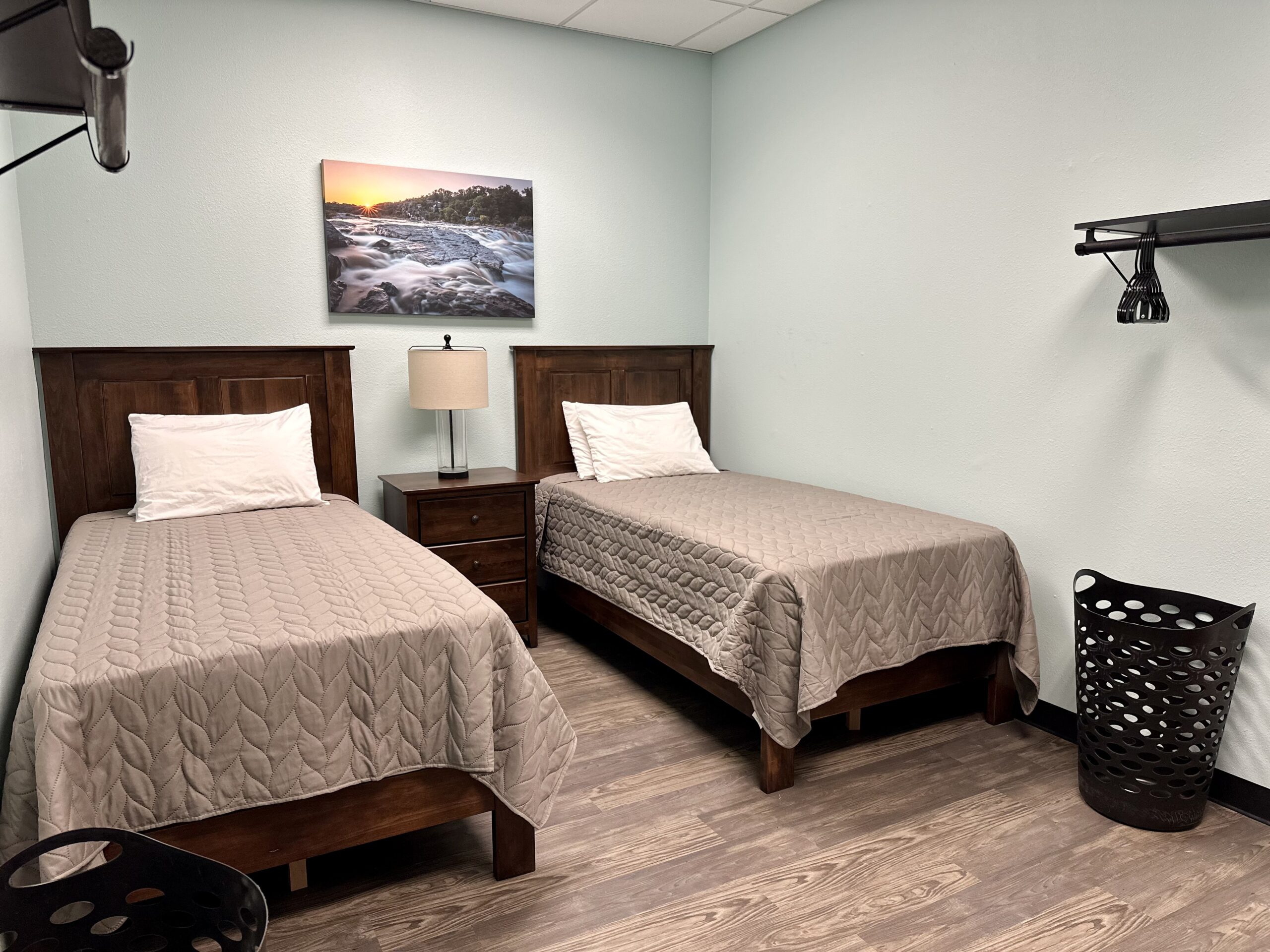
Texas Helps in San Marcos offers a supportive, clinician-led environment focused on safety, dignity, and evidence-based care.
Texas Helps is accredited by The Joint Commission, reflecting a commitment to quality standards in behavioral health.
Texas Helps takes a patient-first approach, offering confidential admissions support, insurance verification, and clear guidance without pressure.
Texas Helps provides accessible care in Central Texas, helping individuals feel supported close to home.
Real Experiences at Texas Helps


Next Steps For Group Therapy In San Marcos, TX
You do not have to decide everything today to take a meaningful first step. A confidential call can help you understand whether group therapy is appropriate and what level of care is recommended. You can verify your insurance and speak with someone who will listen carefully and guide you forward.
- Call Texas Helps Today And Get A Confidential Assessment In San Marcos.
- Verify Your Insurance And Take The Next Step With Clarity And Support.
- 24/7 Admissions Support
- 100% Confidential
FAQs About Group Therapy Program In San Marcos, TX
What Is A Group Therapy Program In San Marcos, TX
A group therapy program in San Marcos, TX is a clinician-led counseling setting where people build recovery and mental health skills alongside peers.
Group counseling can reduce isolation, increase accountability, and help people practice coping strategies in a structured environment.
Group therapy is often part of a broader addiction treatment plan that includes counseling and behavioral therapies.
Is Group Therapy Confidential In Rehab
Group therapy confidentiality is a common concern, especially for people who fear judgment or exposure.
Federal privacy protections like 42 CFR Part 2 are designed to protect substance use disorder treatment records and support people seeking care.
Most programs also set clear group rules that discourage sharing personal details outside the group and reinforce respect and boundaries.
What Happens In Addiction Group Therapy In San Marcos
Is Group Therapy Better Than Individual Therapy For Addiction
Group therapy and individual therapy serve different needs, and many people benefit from a combined approach.
Group therapy offers peer feedback, accountability, and real-time practice of coping and communication skills.
Individual therapy offers deeper personal processing and may be recommended alongside group therapy based on assessment and clinical needs.
What If I Have Anxiety Or I Do Not Want To Talk In A Group
Feeling anxious about group therapy is common, especially early in recovery.
You can start by listening, sharing gradually, and focusing on skills rather than details until you feel safe.
A strong group therapy program in Texas uses structure and boundaries so people can participate without pressure or exposure.
Can Group Therapy Help With Dual Diagnosis In San Marcos, TX
Group therapy can support dual diagnosis needs when anxiety, depression, trauma symptoms, or stress are connected to substance use.
Groups may focus on coping tools, emotional regulation, healthy boundaries, and relapse prevention skills that support both mental health and recovery.
A clinical plan should be individualized so the right mix of group therapy, individual therapy, and other supports is in place.
How Do I Start A Group Therapy Program In San Marcos, Texas
Starting a group therapy program in San Marcos, Texas often begins with a confidential assessment to understand your needs and recommend the right level of care.
You can verify your insurance, ask questions about group structure, and learn which therapy programs are available.
A clear next step is a short call with admissions so you can make an informed decision without pressure.
Recovery From Addiction Is Within Your Grasp
Email Support
Contact us via email for any inquiries or support.
Office Address
Visit our office for in-person support and services.
1106 N Interstate I-35 Frontage Rd. San Marcos, TX 78666
Phone
Contact us via email for any inquiries or support.
Live Chat
Click here to start a live chat with our support team for instant help.
Start Live Chat
Fill Out The Confidential Information Below.
By contacting us, you agree to our Terms of service and Privacy Policy.
We do not accept Medicare or Medicaid.